🚚 Free Worldwide Shipping on All Orders!Shop Now
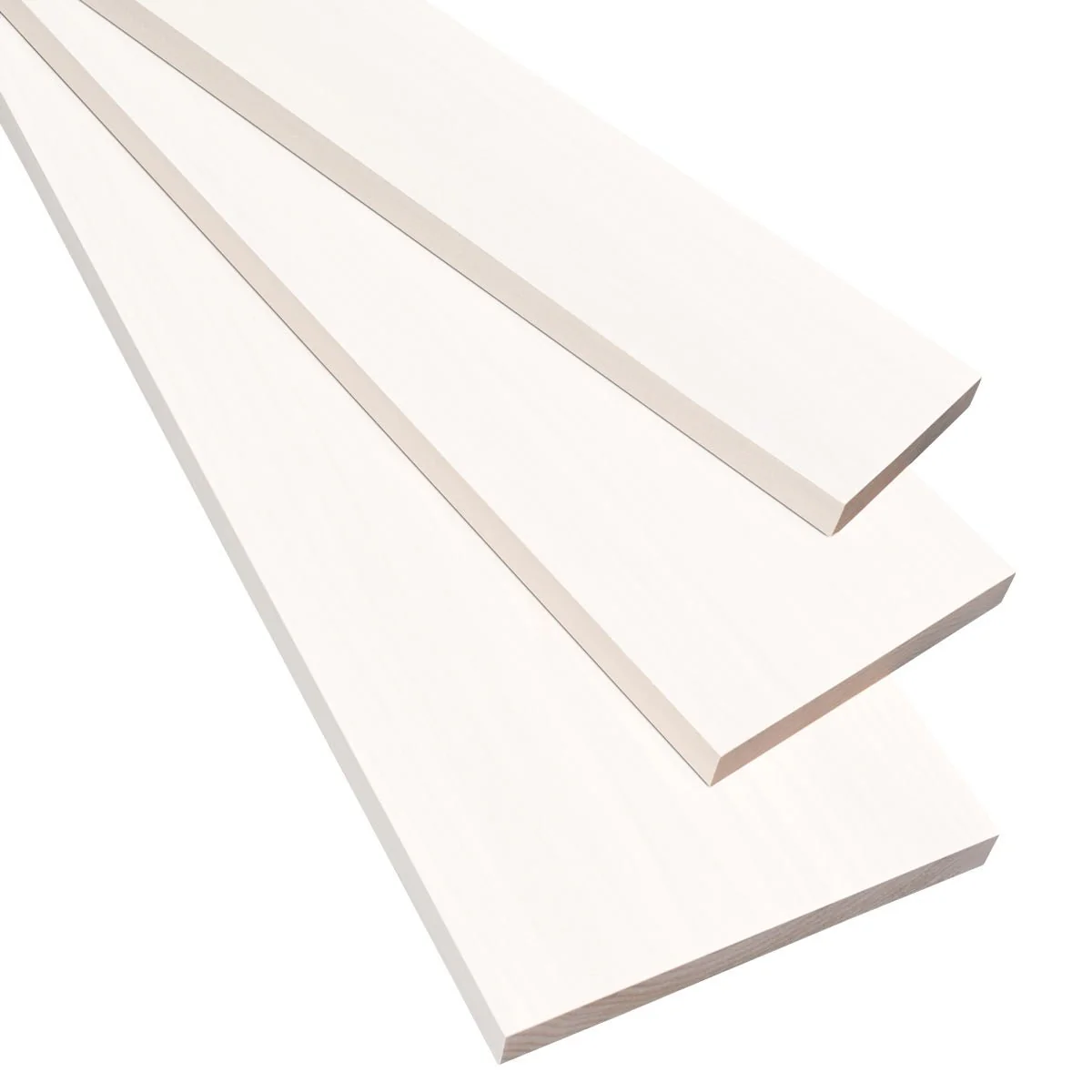
S4S 1x10 Primed Poplar Board (Solid)
table class="datatable margTop" border="0" cellspacing="1" cellpadding="0" align="center">
DESCRIPTION
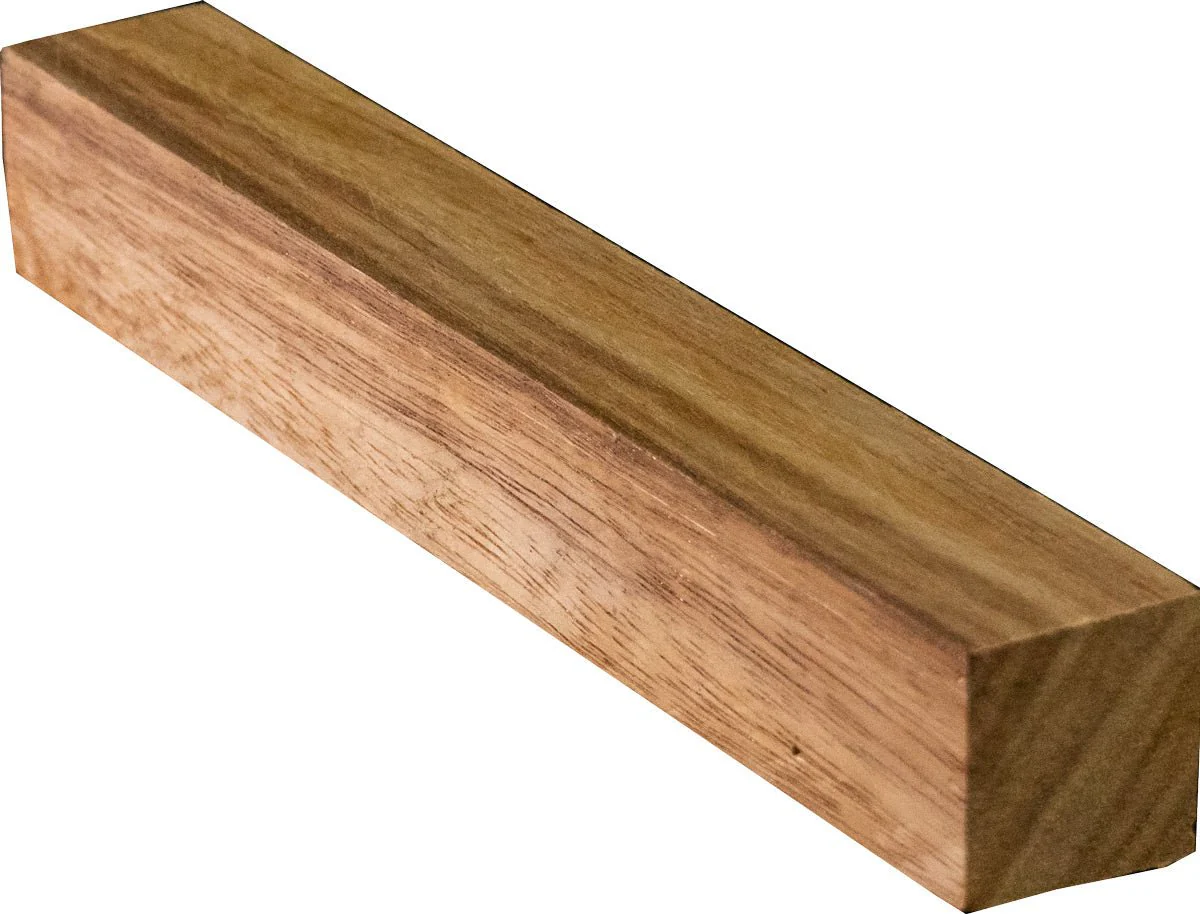
Poplar heartwood is usually creamy-white to gray in color, sometimes pale brown or pinkish-brown. Grain is straight and can be woolly. Texture is fine and even.
Weight ranges from 23lbs to 33lbs per cu .ft.
COUNTRY OF
ORIGIN
North America
BOTANICAL NAME
OTHER NAMES
Robusta, Finnish Aspen, Swedish Aspen, French Aspen, Cucumber
MECHANICAL PROPERTIES
Very low stiffness and resistance to shock loads. Low bending strength and medium crush strength. Poor steam bending characteristics.
WORKING PROPERTIES
Slight blunting effect on cutters. Very sharp, thin cutters are required to overcome the woolly texture and produce a good finish. Nailing and screwing are satisfactory. Takes stain poorly, usually produces blotchy results. Takes paint, varnish and polish satisfactorily.
DURABILITY
Poplar is perishable and susceptible to insect attack. Heartwood is moderately resistant to preservative treatment. Sapwood is permeable.
SEASONING
Dries rapidly, but knots are inclined to split. Medium movement.
USES
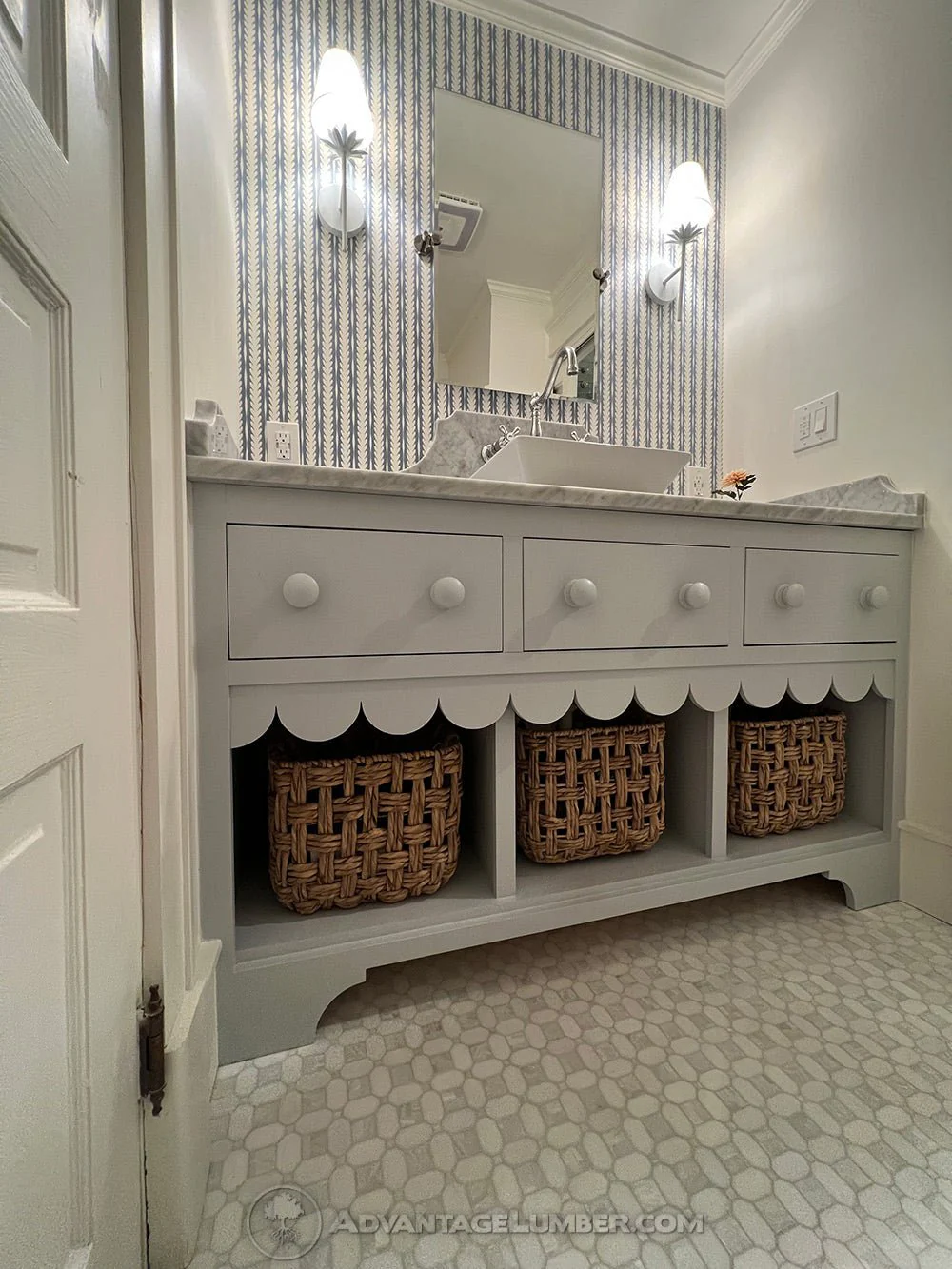
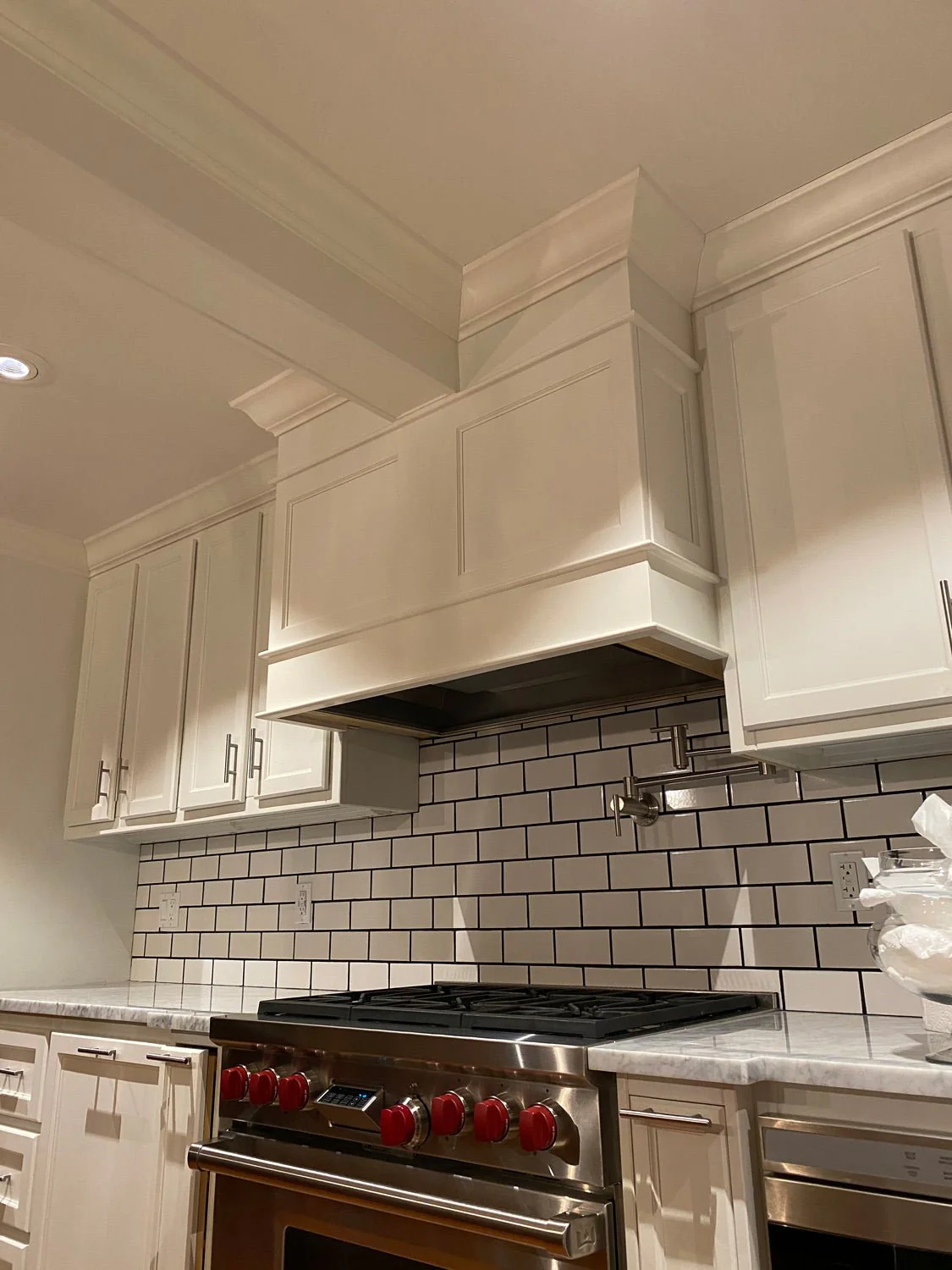
Due to tough, woolly, non-splintering nature, it is suitable for rough usage such as the bottoms of wagons and carts. Also used in furniture framing, drawers, toys, flooring, boxes and crates, veneers and plywood.
COMMENTS
Several subspecies: P. Nigra, P. Canadensis, P. robusta, P. Tremula
Weight ranges from 23lbs to 33lbs per cu .ft.
ORIGIN
Liriodendron tulipifera
Product Information
Product Information
Shipping & Returns
Shipping & Returns

S4S 1x10 Primed Poplar Board (Solid)
S4S 1x10 Primed Poplar Board (Solid)
table class="datatable margTop" border="0" cellspacing="1" cellpadding="0" align="center">
DESCRIPTION
Poplar heartwood is usually creamy-white to gray in color, sometimes pale brown or pinkish-brown. Grain is straight and can be woolly. Texture is fine and even.
Weight ranges from 23lbs to 33lbs per cu .ft.
COUNTRY OF
ORIGIN
North America
BOTANICAL NAME
OTHER NAMES
Robusta, Finnish Aspen, Swedish Aspen, French Aspen, Cucumber
MECHANICAL PROPERTIES
Very low stiffness and resistance to shock loads. Low bending strength and medium crush strength. Poor steam bending characteristics.
WORKING PROPERTIES
Slight blunting effect on cutters. Very sharp, thin cutters are required to overcome the woolly texture and produce a good finish. Nailing and screwing are satisfactory. Takes stain poorly, usually produces blotchy results. Takes paint, varnish and polish satisfactorily.
DURABILITY
Poplar is perishable and susceptible to insect attack. Heartwood is moderately resistant to preservative treatment. Sapwood is permeable.
SEASONING
Dries rapidly, but knots are inclined to split. Medium movement.
USES
Due to tough, woolly, non-splintering nature, it is suitable for rough usage such as the bottoms of wagons and carts. Also used in furniture framing, drawers, toys, flooring, boxes and crates, veneers and plywood.
COMMENTS
Several subspecies: P. Nigra, P. Canadensis, P. robusta, P. Tremula
Weight ranges from 23lbs to 33lbs per cu .ft.
ORIGIN
Liriodendron tulipifera
Select Length
From $2.20
Original: $6.30
-65%S4S 1x10 Primed Poplar Board (Solid)—
$6.30
$2.20Product Information
Product Information
Shipping & Returns
Shipping & Returns
Description
table class="datatable margTop" border="0" cellspacing="1" cellpadding="0" align="center">
DESCRIPTION
Poplar heartwood is usually creamy-white to gray in color, sometimes pale brown or pinkish-brown. Grain is straight and can be woolly. Texture is fine and even.
Weight ranges from 23lbs to 33lbs per cu .ft.
COUNTRY OF
ORIGIN
North America
BOTANICAL NAME
OTHER NAMES
Robusta, Finnish Aspen, Swedish Aspen, French Aspen, Cucumber
MECHANICAL PROPERTIES
Very low stiffness and resistance to shock loads. Low bending strength and medium crush strength. Poor steam bending characteristics.
WORKING PROPERTIES
Slight blunting effect on cutters. Very sharp, thin cutters are required to overcome the woolly texture and produce a good finish. Nailing and screwing are satisfactory. Takes stain poorly, usually produces blotchy results. Takes paint, varnish and polish satisfactorily.
DURABILITY
Poplar is perishable and susceptible to insect attack. Heartwood is moderately resistant to preservative treatment. Sapwood is permeable.
SEASONING
Dries rapidly, but knots are inclined to split. Medium movement.
USES
Due to tough, woolly, non-splintering nature, it is suitable for rough usage such as the bottoms of wagons and carts. Also used in furniture framing, drawers, toys, flooring, boxes and crates, veneers and plywood.
COMMENTS
Several subspecies: P. Nigra, P. Canadensis, P. robusta, P. Tremula
Weight ranges from 23lbs to 33lbs per cu .ft.
ORIGIN
Liriodendron tulipifera